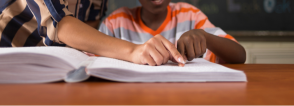
What is a Teacher of the Visually Impaired?
Teachers of the visually impaired (TVIs) help students with vision loss build confidence and participate fully in school. While general education teachers focus on academic instruction, TVIs are there to ensure that every student with a visual impairment has the tools, skills, and supports they need to thrive alongside their peers and receive the quality education they deserve.
From teaching braille to collaborating with classroom teachers, a TVI’s work touches nearly every part of a student’s day. Learn more about the role of a TVI below, including key responsibilities and their work in schools.
What Does a Teacher of the Visually Impaired Do?
A teacher of the visually impaired (TVI) gives specialized instruction and services to their visually impaired students, meeting their unique needs and providing compassion and patience to support their success.
TVIs support students with visual impairments and their access to the curriculum by creating their own education curriculum, adapting instruction, and making sure that braille, large-type texts, or specialized materials are available to the students who need them.
Teacher of the Visually Impaired Responsibilities
1. Provide Direct Instruction
Depending on the role, setting, and student population, TVIs provide individualized instruction that may teach:
- Adapted general education curriculum
- Braille reading and writing
- Assistive technology, like screen readers or magnification tools
- Tactile graphics and adapted materials
- Daily living skills, such as organization or efficient study habits
2. Adapt Classroom Materials
A huge part of a TVI’s job is making learning accessible by adapting anything used in the classroom for students with visual challenges, including worksheets, textbooks, graphs, classroom presentations, assignments, and tests. This might look like enlarging text, creating tactile materials, or converting content into braille or digital formats.
3. Support Classroom Teachers
TVIs collaborate closely with general education teachers to make sure students can fully participate in class. They may:
- Recommend seating arrangements
- Suggest lighting adjustments
- Train teachers on assistive technology
- Provide strategies for presenting visual information in accessible ways
4. Promote Independence
As students grow older, TVIs help them build the skills and confidence they need, preparing them for high school, college, and adulthood. This might include how to:
- Request accommodations
- Use their devices independently
- Navigate school spaces
- Explain their needs to teachers and peers
5. Collaborate With Other Educators, Families, and Specialists
Teachers of the visually impaired (TVIs) work closely with educators, families, and other specialists to ensure students receive consistent, accessible support. They coordinate with special educators, orientation and mobility specialists, and other related service providers to align goals, and they collaborate with families by regularly updating parents, explaining accommodations, and offering guidance that can be reinforced at home.
Make a Difference as a TVI
For students with low vision or blindness, learning can feel overwhelming without the right support. TVIs make sure every child has access to the same opportunities, whether that’s reading a novel, solving a math problem, or simply feeling confident walking down the hallway.
If you’re passionate about empowering students and want a career where your work truly makes a difference, becoming a teacher of the visually impaired may be the perfect fit. Explore available teacher of the visually impaired jobs, including remote opportunities, with Soliant today!