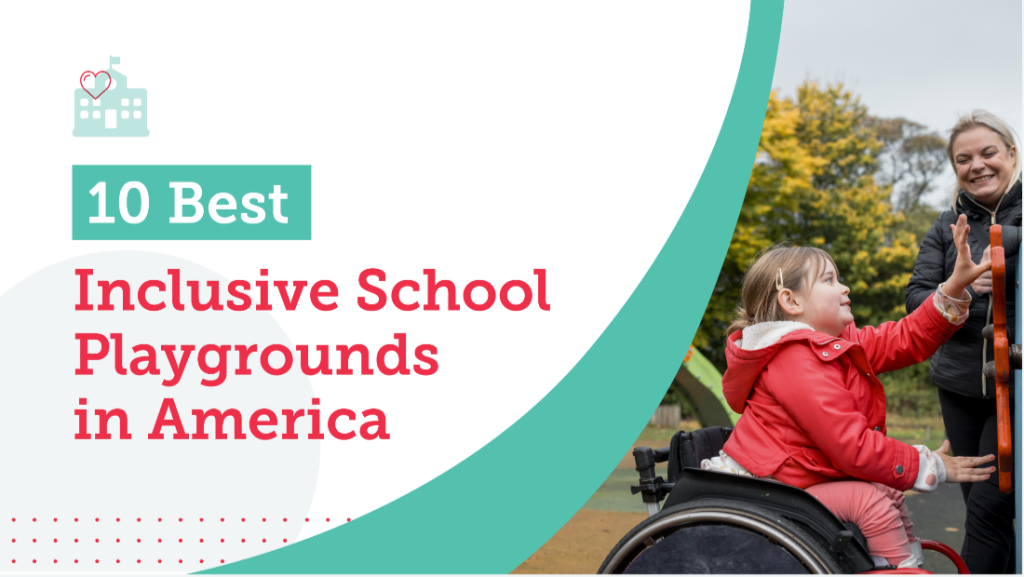
Imagine a playground where wheelchair users soar on adaptive swings alongside their peers, where children with sensory sensitivities find peaceful retreats within the joyful chaos, and where young leaders of all abilities naturally collaborate in imaginative play. These aren’t playgrounds of the future—they’re happening right now in exceptional schools across America.
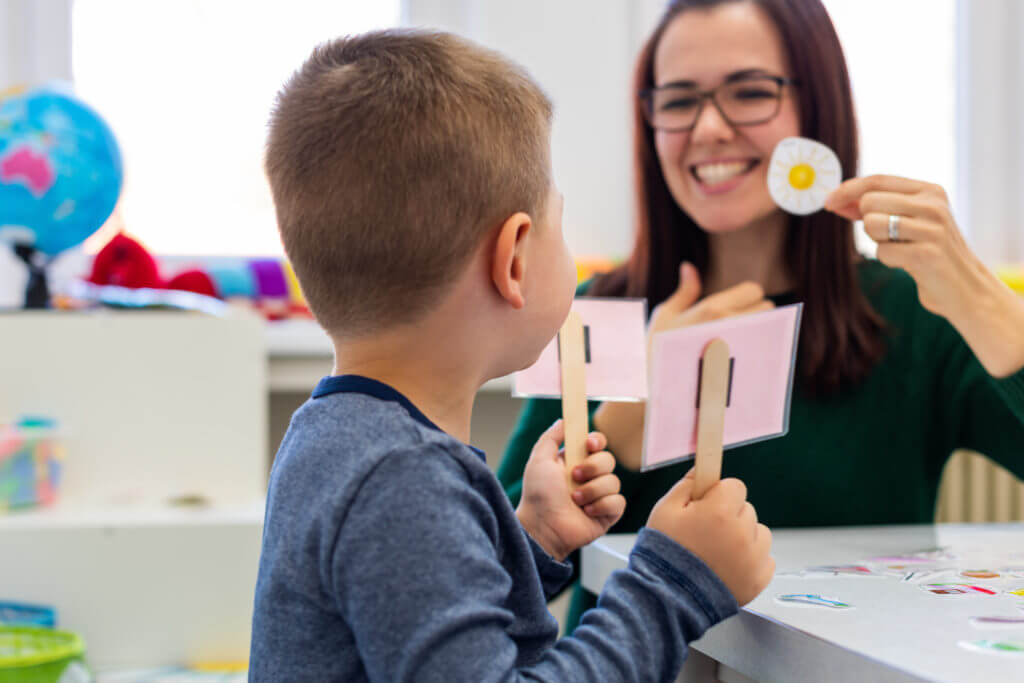
Pretty mid adult Asian physical therapist gives a high five to young Asian girl after completing physical therapy session. The girl is holding her patient file.
According to the CDC, approximately 3% of U.S. children under 18 experience blindness or visual impairment, translating to nearly 600,000 children. For these students, navigating the world of education comes with unique challenges.
From learning Braille to mastering adaptive technology, students with visual impairments require specialized support to thrive in the classroom and beyond. After all, education is about more than just grades; it’s about creating a foundation for independence, confidence, and lifelong success. For children with visual impairments, having access to the right resources—like skilled teachers, accessible materials, and supportive policies—can be life-changing.
Special education is a very broad field and has many different specialties. Those who specialize in working with students who have extra challenges may find themselves in a number of different scenarios, depending on the school district or type of school that they are working in. There are six main types of special education within most public-school settings.