Sign language interpreters play a crucial role in ensuring that deaf and hard-of-hearing students have equal access to education. Their presence is vital in many schools across the country, helping to create an inclusive learning environment for all students.
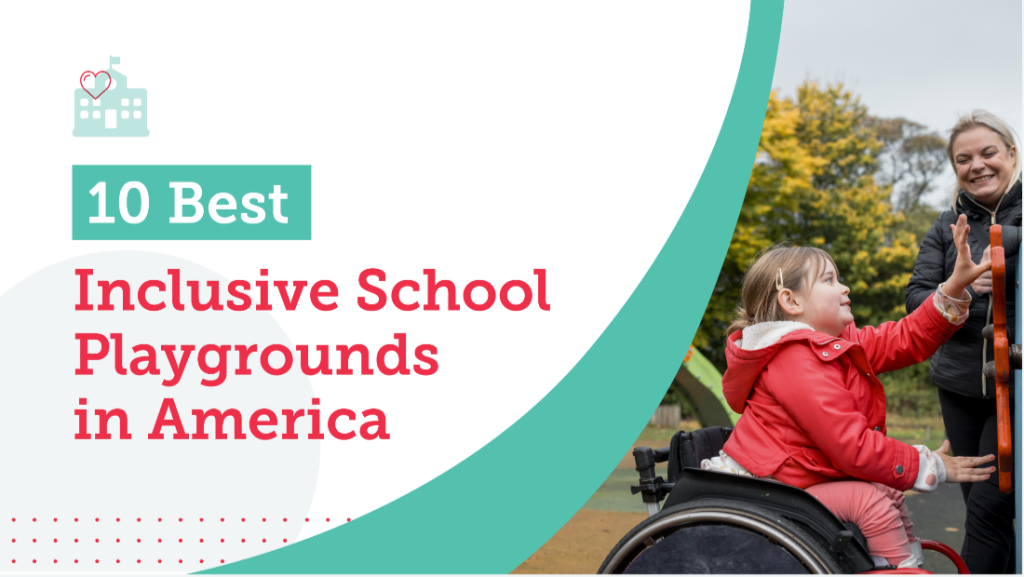
Imagine a playground where wheelchair users soar on adaptive swings alongside their peers, where children with sensory sensitivities find peaceful retreats within the joyful chaos, and where young leaders of all abilities naturally collaborate in imaginative play. These aren’t playgrounds of the future—they’re happening right now in exceptional schools across America.
Pretty mid adult Asian physical therapist gives a high five to young Asian girl after completing physical therapy session. The girl is holding her patient file.
According to the CDC, approximately 3% of U.S. children under 18 experience blindness or visual impairment, translating to nearly 600,000 children. For these students, navigating the world of education comes with unique challenges.
From learning Braille to mastering adaptive technology, students with visual impairments require specialized support to thrive in the classroom and beyond. After all, education is about more than just grades; it’s about creating a foundation for independence, confidence, and lifelong success. For children with visual impairments, having access to the right resources—like skilled teachers, accessible materials, and supportive policies—can be life-changing.
With back-to-school season just around the corner, the Soliant School Commute Report spotlights how a school commute can impact student’s educational experience.
Access to education is paramount for the development and success of children, yet research found that students who commute to school for prolonged periods have higher stress levels (37.8%) compared to those with shorter commutes (24.1%) (Jamil et al., 2022). Ensuring that children can reach their schools safely and efficiently is not just a convenience – it’s crucial for fostering a positive learning environment and promoting educational equity.
Today, students face unprecedented levels of stress and anxiety – from struggling with mental health to feeling behind in school following the pandemic. At Soliant Health, we believe that providing additional support to students extends far beyond enhancing academic performance. It’s about nurturing well-rounded individuals who can thrive both in and out of the classroom, recognizing that a healthy student is a successful student.
The Speech-Language Pathology (SLP) Praxis exam is not only a requirement for obtaining a professional license in many states but also a testament to your dedication and expertise in this highly rewarding field.
Whether you are just beginning your journey in speech-language pathology or are on the verge of completing your graduate program, you’ve probably got a handful of questions about the SLP Praxis Exam.